
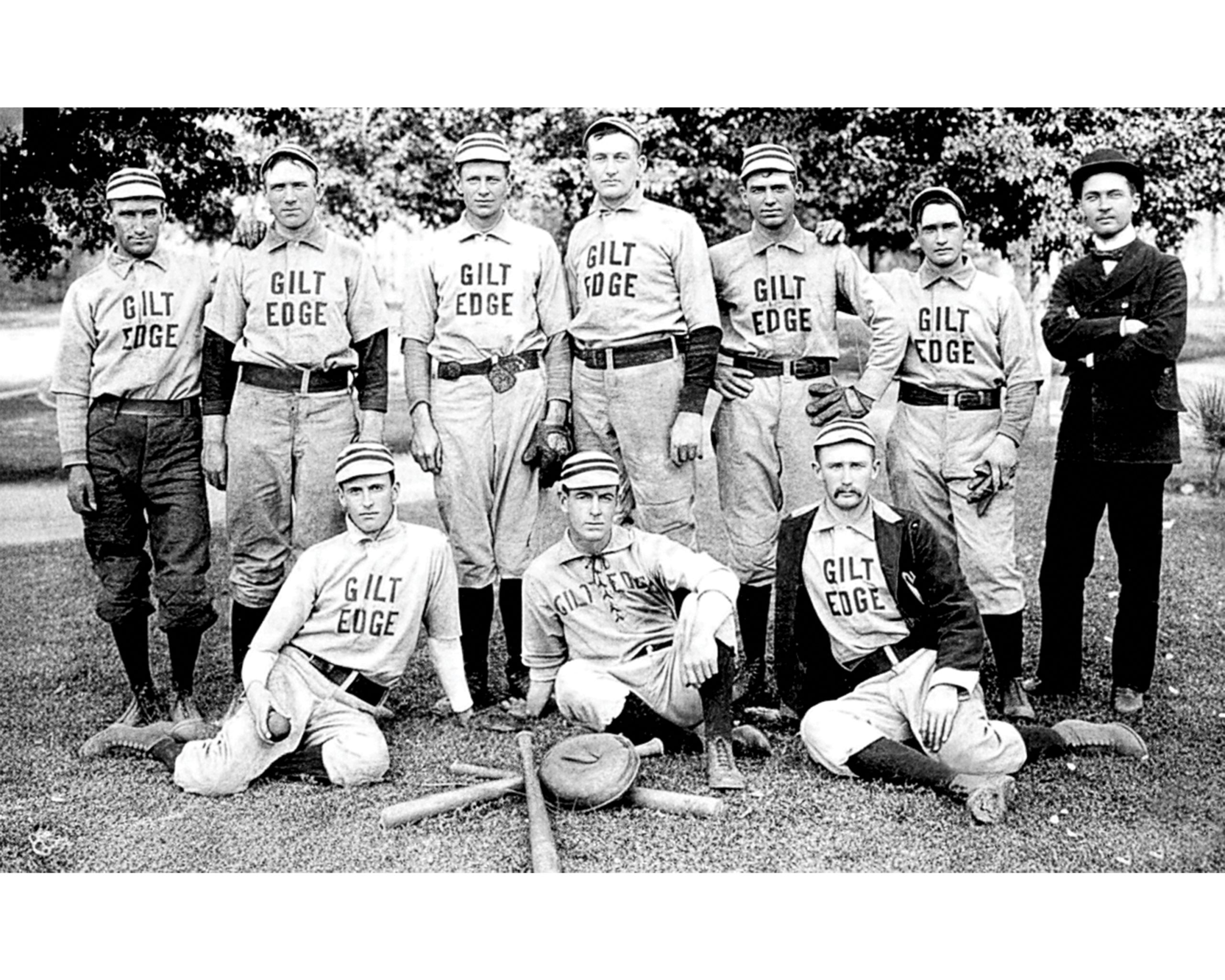
For the first time in history, fans can watch big-league baseball in the capital city. The Athletics have made Sacramento their temporary home, attendance has exceeded expectations, and civic leaders are openly asking whether Sacramento deserves a permanent Major League franchise.
Most people think this is a brand-new chapter.
It isn’t.
More than 125 years ago, Sacramento was already fighting to prove it belonged among baseball’s elite.
Long before the River Cats. Long before the Athletics. Long before the West Coast even had a major league, Sacramento built one of the greatest baseball dynasties California had ever seen.
At the center of that story was Ed Kripp.
Today, few people recognize Kripp’s name, yet his fingerprints remain all over Sacramento baseball history.Beginning in 1897, his Sacramento Gilt Edge club captured four consecutive California League championships—the first dynasty of its kind in California professional baseball. His teams regularly packed local ballparks, developed future major league stars, and transformed baseball from a neighborhood pastime into a serious business enterprise.
On Thanksgiving Day in 1897, Kripp’s club defeated the legendary Baltimore Orioles—the greatest professional team in America—in an exhibition game before thousands of fans.
The final score was 4-3.
For Sacramento, it was much more than an upset.
It was proof that the capital city could compete with anyone.
Kripp understood something many owners still understand today:
Winning games wasn’t enough.
You needed great facilities, reliable transportation, sponsors, publicity, and a city that believed baseball was worth investing in.
His teams first played at Snowflake Park before moving to Oak Park as Sacramento’s electric streetcars expanded southward. He partnered with Buffalo Brewing Company, whose Gilt Edge beer gave the team both its name and financial backing—one of California’s earliest examples of sports sponsorship.
He didn’t simply build a baseball team.
He built a baseball industry.
Of course, baseball in the 1890s wasn’t as polished as it is today.
Kripp himself was a complicated figure.
Besides running baseball clubs, he operated poolrooms, invested in real estate, promoted horse racing, and navigated Sacramento’s turbulent world of gambling politics. His story reflects a rapidly growing frontier city where business, politics, entertainment, and sports often overlapped.
That complexity is exactly what makes his story fascinating.
The history of baseball wasn’t built entirely by spotless heroes. It was built by ambitious entrepreneurs willing to gamble on a city they believed could become something bigger.
Sacramento’s dream of major league baseball almost became reality more than a century ago. When the Pacific Coast League reorganized in 1909, Kripp appeared poised to bring the new league to Sacramento under his own ownership.
Instead, league politics intervened. The franchise went elsewhere.
Kripp never received the opportunity many believed he had earned. Yet he refused to quit. Instead, he constructed Buffalo Park in Oak Park, which newspapers soon praised as one of the finest baseball grounds in California.
That is why today’s expansion conversation feels so familiar. When people ask whether Sacramento is a “real baseball town,” they’re asking the same question civic leaders were asking in the 1890s.
Can Sacramento support big-league baseball?
Does the city deserve national recognition?
Can baseball help define Sacramento’s identity?
History suggests those questions were answered long ago.
The only thing that’s changed is the league.
Discover the Forgotten Story
My new book, The Gilt Edge of Ambition: A Sportsman’s Gamble for Power and Baseball, tells the remarkable true story of Ed Kripp, the Sacramento Gilt Edge dynasty, and the forgotten baseball empire that helped shape California’s capital.
As Sacramento looks toward its baseball future, understanding its baseball past has never been more relevant.