Laura Vice put up the money to buy Sacramento’s professional baseball club. Then she discovered what ownership meant in the Wild West of early California baseball.
In 1891, Sacramento’s professional baseball team was in trouble.
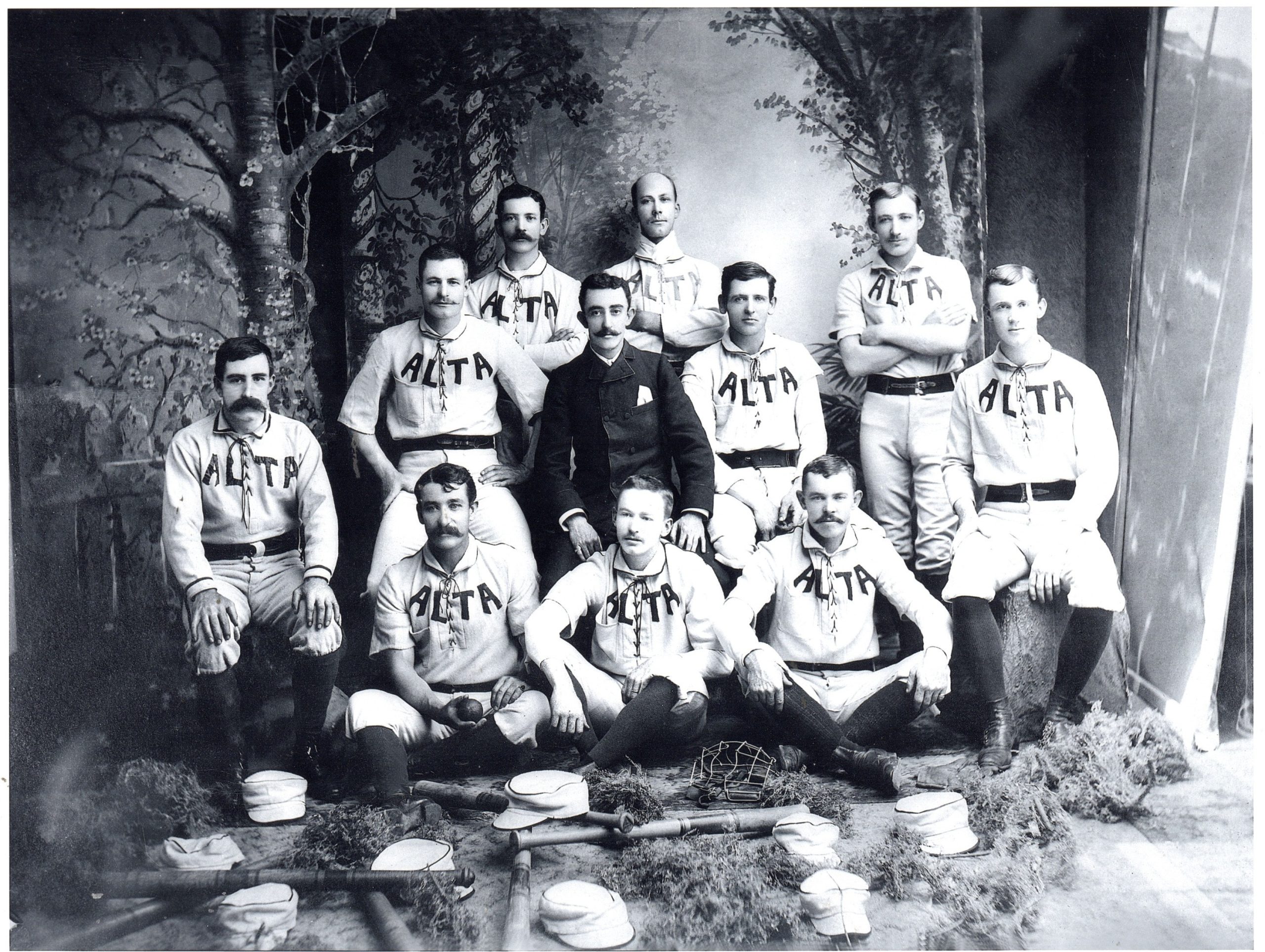
The Altas, once the pride of the capital city, were struggling through a California League season marked by internal disputes, financial uncertainty, and growing questions about the legitimacy of professional baseball itself. “Hippodroming”—the fixing of games—had already begun driving spectators away. NCN Fall 2026 – Lisa Jonsson pr…
Then two of the team’s players stepped forward with a plan.
They would buy the club themselves.
There was one problem: they needed the money.
Much of it came from a Sacramento woman named Laura Vice.
In August 1891, the players agreed to purchase the team’s “alleged franchise” for $2,000. Vice supplied the bulk of the money. By any practical measure, she had become an owner of Sacramento’s professional baseball club. Later accounts have recognized her as likely the first woman to hold a significant ownership stake in a professional baseball team. NCN Fall 2026 – Lisa Jonsson pr…
But in California baseball in the 1890s, owning a team did not necessarily mean you owned anything at all.
A Franchise That Could Disappear
Less than a year later, Sacramento was out.
League directors removed the city from the California League to make room for Los Angeles. There was apparently no obligation to compensate Vice, no meaningful appeal, and no recognition that the money she had invested gave her any permanent right to Sacramento’s place in the league. NCN Fall 2026 – Lisa Jonsson pr…
Vice had paperwork. A Sacramento newspaper reported that she had “put up the money” and possessed documents showing that the franchise was “really hers.”
It made no difference.
The league’s “grand moguls,” as one newspaper put it, simply reassigned the club. Vice was left with nothing to show for her investment. NCN Fall 2026 – Lisa Jonsson pr… NCN Fall 2026 – Lisa Jonsson pr…
By the summer of 1893, she had had enough.
Vice hired an attorney and prepared to press her claim. She maintained that the 1891 purchase had conveyed genuine ownership of the Sacramento club.
The resulting dispute exposed just how precarious professional baseball was in nineteenth-century California.
One attorney involved in the matter argued that the men who had sold the team had possessed essentially nothing to sell beyond some personal property—“cheap uniforms, baseballs and bats.” NCN Fall 2026 – Lisa Jonsson pr…
The problem was bigger than Laura Vice.
The California Baseball League had never been formally incorporated. The supposed franchise she had helped purchase therefore carried none of the legal security that the word franchise suggests today. NCN Fall 2026 – Lisa Jonsson pr…
She had paid real money for something that existed largely because everyone involved agreed that it existed.
And then they stopped agreeing.
Baseball Before Baseball Became an Institution
Vice’s experience seems extraordinary today, but it reveals something fundamental about the early professional game.
California’s clubs often operated as loose associations rather than formal corporations. Teams could be reorganized, transferred, or abandoned. Agreements depended heavily upon personal relationships and reputation. Money flowed into the game, but the structures protecting that money were far less developed. NCN Fall 2026 – Lisa Jonsson pr…
For a while, the system worked.
Then confidence began to collapse.
By 1894, Sacramento newspapers were openly skeptical of the men attempting to revive professional baseball. The Bee complained that the city had been “bilked so much by baseball fakirs” that residents would “not put up any more of their good money.” NCN Fall 2026 – Lisa Jonsson pr…
That distrust mattered. What had failed was not Sacramento’s interest in baseball. Fans still wanted the game.
What they increasingly distrusted were the people and arrangements behind it.
Laura Vice’s Lost Investment
Laura Vice never recovered her investment.
But her story survived.
It offers a glimpse into a period before professional baseball became the institution we recognize today—before franchises represented durable territorial rights and before leagues possessed the corporate structures that would eventually give professional clubs greater permanence.
The same flexibility that allowed baseball to spread rapidly through California also made it remarkably fragile. Authority rested with individuals. Legitimacy depended upon reputation. When either disappeared, there was often little underneath. NCN Fall 2026 – Lisa Jonsson pr…
Laura Vice thought she had bought part of a baseball team.
What she had actually purchased was a claim.
And in the baseball world of the 1890s, a claim was only as valuable as the people willing to honor it.
This story is adapted from my article “Baseball Fakirs: Trust, Ownership, and Control in Early California Baseball,” published in the Fall 2026 issue of Nineteenth Century Notes.